
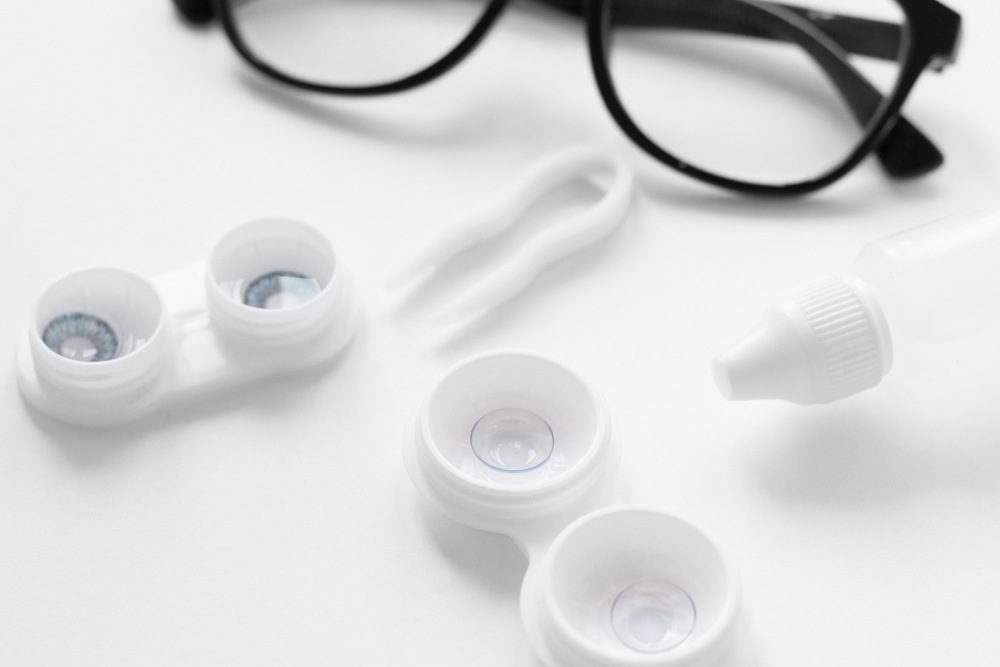
Whether you’re looking to try contact lenses or simply desire more freedom from your glasses, both offer effective vision correction. However, you might wonder which option reigns supreme when it comes to eye health and lifestyle convenience. This article delves into the pros and cons of each, examining their impact on your eyes and helping you make an informed decision that aligns with your needs and preferences.
Benefits and Drawbacks of Glasses
Glasses have been a staple of vision correction for centuries, and for good reason. They:
- Don’t come into direct contact with your eyes, minimising the risk of infection or irritation.
- Are easy to clean, requiring only a quick wipe with a microfibre cloth and occasional washing with soap and water.
- Provide a physical barrier against dust, wind, and even harmful UV rays if they have UV-protective coatings.
- Offer comfort for individuals with dry or sensitive eyes, as they don’t interfere with the eye’s natural tear film.
However, glasses also have some drawbacks:
- They can be cumbersome during sports or other physical activities, potentially slipping or fogging up.
- The frames may obstruct your peripheral vision, especially with thicker frames or certain lens designs.
- Some individuals may find glasses uncomfortable due to the weight or pressure on their noses and ears, causing occasional eye strain.
- They can be a fashion statement, but some individuals may prefer not to alter their appearance with eyewear.
Contact Lenses: Benefits and Drawbacks
Contact lenses offer a compelling alternative to glasses, providing a different set of advantages:
- They sit directly on your eyes, moving with them to provide a wider field of vision without the obstructions of glasses frames.
- They are ideal for sports and physical activities, as they don’t slip or fog up like glasses.
- They don’t alter your appearance, allowing you to maintain your natural look or experiment with coloured contacts for a cosmetic change.
- They don’t fog up in cold weather or reflect light like glasses, providing clear vision in various environments.
However, contact lenses also come with some considerations:
- Proper hygiene and handling are crucial to prevent eye infections. This includes thorough handwashing before handling lenses and proper cleaning and disinfection routines.
- Some individuals may experience dryness, irritation, or allergic reactions with contact lenses.
- Prolonged contact lens wear or improper care can increase the risk of dry eyes, corneal abrasions, or even more serious eye conditions.
- Contact lenses typically require ongoing expenses for replacements, cleaning solutions, and other supplies.
Eye Health Considerations
When choosing between contact lenses and glasses, it’s advisable to consider their potential impact on your eye health. For instance, since glasses don’t touch your eyes directly, they carry a lower risk of infection than contact lenses. Individuals with dry eyes, allergies, or frequent eye irritations may even find glasses more comfortable and less likely to exacerbate their symptoms.
On the contrary, contact lenses require proper hygiene and handling to prevent bacterial or fungal infections. This is because improper care can lead to serious eye complications. Some contact lens wearers may experience dry eyes due to reduced oxygen flow to the cornea. This can be addressed by choosing breathable lenses and using lubricating eye drops.
Additionally, sleeping in your contact lenses or wearing them for extended periods may increase the risk of complications, including corneal ulcers and infections.
Lifestyle Factors: Which is More Convenient?
Your lifestyle plays a role in determining whether glasses or contact lenses are the more convenient choice for you.
If you spend most of your time indoors, at a desk job, or in environments where protection from screens or artificial light is essential, glasses may be the more convenient option. They are easy to put on and take off and require minimal maintenance throughout the day.
On the contrary, if you lead an active lifestyle, play sports, or dislike the aesthetic or practical limitations of glasses, contact lenses offer greater freedom and convenience. They move with your eyes, providing a wider field of vision and eliminating the worry of glasses slipping or fogging up during physical activities.
Cost Comparison
The cost of vision correction can vary depending on whether you choose glasses or contact lenses.
When you invest in glasses, the cost is typically a one-time investment unless your prescription changes or you want to update your frames. However, the initial cost can vary depending on the quality of the lenses and frames you choose.
Meanwhile, contact lenses involve ongoing expenses for replacements, cleaning solutions, and other supplies. The cost can vary depending on the type of lenses you choose (daily disposables, monthly disposables, etc.) and your wearing schedule.
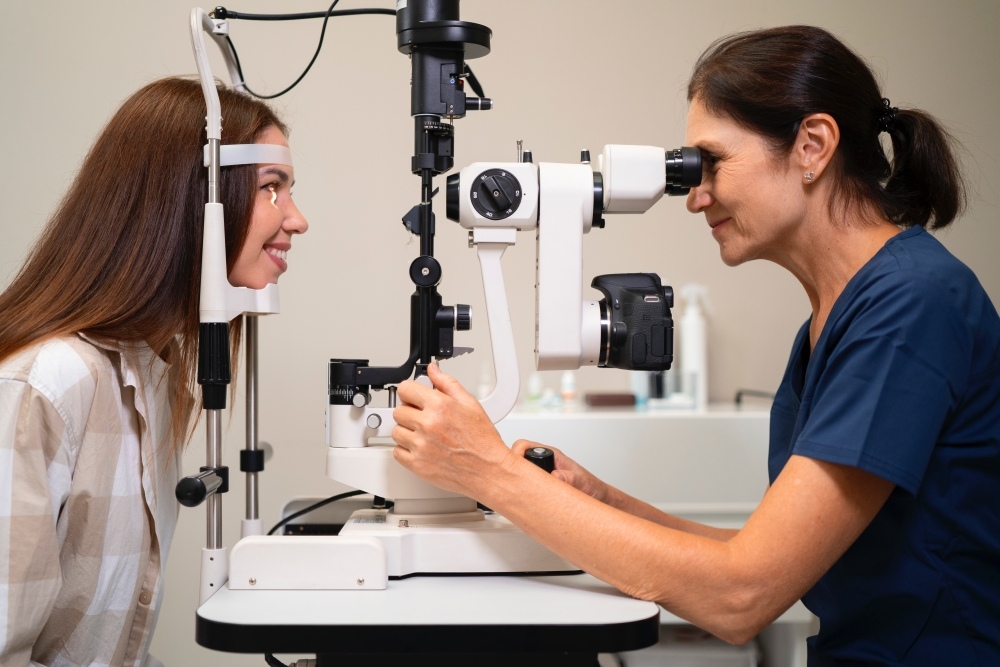
When to Consult an Eye Specialist
Choosing the best vision correction option for your needs may require thoroughly assessing your eye health, lifestyle, and preferences. This is where a visit to an eye clinic may be helpful in determining whether glasses, contact lenses, or a combination of both are recommended for you.
The eye specialist can:
- Evaluate Your Eye Health: An eye exam will involve assessing your overall eye health, including any conditions that might affect your selection of vision correction. For instance, if you have dry eyes, the dry eye specialist may recommend specific types of contact lenses or advise against contact lens wear altogether. They may also suggest undergoing dry eye syndrome treatment to help address your condition. Similarly, age-related eye conditions such as cataracts can affect visual clarity and may influence your choice of glasses or contact lenses.
- Determine Your Prescription: An accurate prescription is typically necessary for optimal vision correction, whether you choose glasses or contact lenses. The eye doctor will conduct a refraction test to determine the precise prescription for your needs.
- Discuss Your Lifestyle: The eye doctor will consider your lifestyle and preferences to recommend the most suitable vision correction option. If you lead an active lifestyle, they may suggest contact lenses for greater convenience during sports or other activities.
Hybrid Options: The Best of Both Worlds?
For some individuals, a combination of glasses and contact lenses might offer the optimal solution, allowing them to enjoy both benefits. For instance, you might prefer glasses for everyday wear and switch to contact lenses for sports or special occasions.
Other hybrid options include photochromic lenses — which darken automatically when exposed to sunlight, providing both vision correction and UV protection in a single pair of glasses — and daily disposable contact lenses, offering convenience and reducing the risk of infection, as they are discarded after each use.
In some cases, the eye doctor may also discuss the possibility of LASIK surgery for a more permanent vision correction solution.
Your Vision, Your Choice
Ultimately, choosing between contact lenses and glasses depends on your needs, preferences, and lifestyle. Neither option is universally “better” – it’s about finding the solution that best suits your unique circumstances.
Consult an eye doctor to discuss your options and determine the optimum solution for your long-term eye health and vision needs. At EyeWise Vision, we offer comprehensive eye exams, contact lens fittings, and a selection of designer frames to help you achieve clear, comfortable vision with the option that best suits your lifestyle.
Frequently Asked Question
- Are contact lenses or glasses better for your eye health?
Both contact lenses and glasses can correct vision effectively, but they impact your eyes differently. Glasses are generally safer and require less maintenance, while contact lenses offer better field of vision and convenience. The best choice depends on your lifestyle, hygiene habits, and any underlying eye conditions.
- Do contact lenses cause more eye infections than glasses?
Yes, contact lenses carry a slightly higher risk of infection if not cleaned or worn properly. Bacteria can build up on lenses or cases, leading to irritation or keratitis. Following proper hygiene, replacing lenses as recommended, and avoiding overnight wear can greatly reduce the risk.
- Which is more comfortable for daily use — contacts or glasses?
Comfort varies by person. Many find glasses more comfortable because they don’t touch the eye surface, while others prefer contacts for their freedom from frames and fogging. Soft, breathable lenses have made contacts more comfortable than ever, especially for active or outdoor lifestyles.
- Can wearing contact lenses every day harm your eyes?
Wearing contact lenses daily is safe if you follow your optometrist’s guidance. However, overwearing or sleeping in lenses not designed for extended use can reduce oxygen flow to the cornea, leading to dryness or irritation. Taking breaks and maintaining proper lens hygiene helps protect long-term eye health.
- How do I decide between glasses and contact lenses?
Your decision should balance comfort, convenience, eye health, and lifestyle. Glasses are low-maintenance and gentle on the eyes, while contact lenses offer a natural look and better peripheral vision. Some people use both — glasses for home and contacts for work or sports — for flexibility and comfort.