
Dry Eye Treatment in Singapore
Chronic Dry eye care ranges from specialised eye drops and Meibomian gland dysfunction management to procedures such as punctal plugs.

Dr. Christopher Khng
- Senior Consultant Ophthalmologist, Chronic Dry Eye Specialist
- MBBS, M.Med(Ophth), FRCS(Edin), AMS(Ophth 2003)

What is Dry Eye Disease?
If you think you may have dry eyes, schedule an appointment with our dry eye doctor in Singapore for a proper diagnosis and treatment plan. That way, you can prevent complications that may result in your dry eyes, including eye infections, damage to the surface of your eyes, and decreased quality of life.
Symptoms of Dry Eyes
If you are experiencing the following symptoms, it’s essential that you visit a dry eye specialist in Singapore for a consultation:
- Gritty, irritated, scratchy or burning eyes
- Feeling like there’s something in the eyes
- Excess watering
- Blurred vision
- Redness
- Light sensitivity
- Stringy mucous near the eye
Causes of Dry Eyes
There are many possible causes of dry eye syndrome, but the most common one is simply not enough tears. Tears are important for keeping our eyes healthy and lubricated, so when you don’t have enough of them, your eyes can start to feel dry, irritated, and even painful.
Other causes of dry eyes include:
- Excess use of computers
- Ageing
- Medical conditions that can cause dry eyes, such as autoimmune conditions like SLE (Systemic Lupus Erythematosus), rheumatoid arthritis
- Environmental factors such as dry climates
- Sitting under an aircon vent
- Use of contact lenses
No matter the cause of your dry eye syndrome, the discomfort can disrupt your day-to-day activities. Therefore, visit an eye specialist clinic to have your dry eyes checked and treated by a specialist.
Dry Eye Diagnosis
To determine if you have dry eye syndrome, our dry eye specialist in Singapore will conduct a comprehensive eye check-up using a slit lamp to look at the tear layer in the eye (tear strip). This is done to see if there is enough water in the tears. Then, our doctor will apply yellow eye drops to see if the tear layer over the cornea is even and good. If needed, they can measure if there is enough water content in the tears via a Schirmer’s test. From the diagnosis, our eye specialist can determine what eye drops to use and what treatment is needed.
Dry Eye Syndrome Treatment
Dry eye can be a very frustrating condition, but there are several treatments available for dry eye syndrome. By consulting a dry eye specialist, you can find the appropriate treatment to address your symptoms. The most common treatments include:
- Eye Drops
- Lubrication eye drops may be recommended to replace insufficient tears.
- You may also be prescribed eye drops that allow the production of more natural tears
- A thicker eye drop (a gel) can also be used for patients with dryer eyes. However, it can cause a little blurring.
- Out of all the dry eye syndrome treatments, eye drops are tailor-made according to symptoms and severity.
- Dietary Supplements
- Certain dietary supplements can contribute to the improvement of dry eye symptoms by supporting overall eye health. If eye drops are not effective, your doctor may prescribe or suggest dietary supplements for dry eye treatment, like omega-3 fatty acids.
- Punctal Plugs
- If the condition is severe, punctal plugs are needed. A punctal plug, also known as a tear duct plug or lacrimal plug, is placed in the drainage tube, which lasts for six months and improves comfort and reduces the need for eye drops.
Dry Eye Recovery
While the timeline for recovery can vary based on the severity of the condition and the chosen treatment, the following steps can help you manage and improve your dry eye symptoms:
- Adhere to Your Treatment: Follow the treatment plan suggested by your dry eye specialist diligently. Whether it involves using lubricating eye drops, taking dietary supplements, or considering other interventions like punctal plugs, consistent adherence to the prescribed regimen is crucial to prevent further aggravation.
- Monitor Progress: Regularly assess how your eyes are responding to treatment. If you notice improvements or any changes, discuss them with your eye doctor during follow-up appointments. Adjustments to your treatment plan may be necessary as your condition evolves.
- Practise Good Eye Hygiene: Maintaining proper eye hygiene can aid in your recovery. This includes keeping your eyelids and lashes clean to prevent blockages in the oil glands. Follow your eye doctor’s recommendations for lid hygiene routines and consider using warm compresses to promote healthy tear production.
- Make Lifestyle Adjustments: Make modifications to your environment and daily habits to minimise factors that exacerbate dry eye symptoms. Consider using a humidifier to add moisture to the air, taking regular breaks during prolonged screen time, and wearing protective eyewear in windy or dry conditions.
Possible Risks and Side Effects of Dry Eye Treatment
While dry eye treatments are generally safe and effective, it’s important to be aware of potential risks and side effects that might arise during the course of your treatment. Make sure to ask your eye doctor about the risks and side effects of your treatment so that you can make a more informed decision about your eye health. Moreover, If you experience any unexpected or concerning symptoms during your treatment, don’t hesitate to reach out for guidance and reassessment.
Dry Eye Disease (DED), also known as keratoconjunctivitis sicca, occurs when your eyes do not produce enough tears or when the quality of your tears is not sufficient to keep the eye surface properly lubricated. This can cause the tear film to become unstable, leading to dryness, irritation and discomfort.
At Eyewise Vision Clinic, we recognise that dry eye is more than a minor inconvenience. It can affect your visual clarity and day-to-day comfort.
Management may include approaches such as Meibomian Gland Dysfunction (MGD) care and procedures like punctal plugs, depending on your condition. Each treatment plan is tailored based on a careful assessment of your eyes.
The specialist leading your care
Our Eye Specialist

Dr Christopher Khng
Medical Director, Senior Consultant Ophthalmologist
MBBS, M.Med(Ophth), FRCS(Edin), AMS(Ophth 2003)
Dr Christopher Khng is a Senior Consultant Ophthalmologist and Medical Director of EyeWise Vision Clinic, with over two decades of experience in anterior segment and ocular surface conditions. He received his medical training at the University of Aberdeen and graduated from the National University of Singapore (NUS) with academic distinctions.
His practice includes the evaluation and management of dry eye disease, including cases related to Meibomian Gland Dysfunction (MGD). Through careful assessment of the tear film and ocular surface, he develops individualised care plans that may include medical treatment and procedures such as punctal plugs where appropriate.
In addition, Dr Khng manages a range of corneal and anterior segment conditions, including those involving structural changes to the eye. This allows for a comprehensive approach to both routine and more complex presentations.
Dr Christopher Khng
Medical Director, Senior Consultant Ophthalmologist
MBBS, M.Med(Ophth), FRCS(Edin), AMS(Ophth 2003)
Understanding Dry Eye: The Tear Film Anatomy
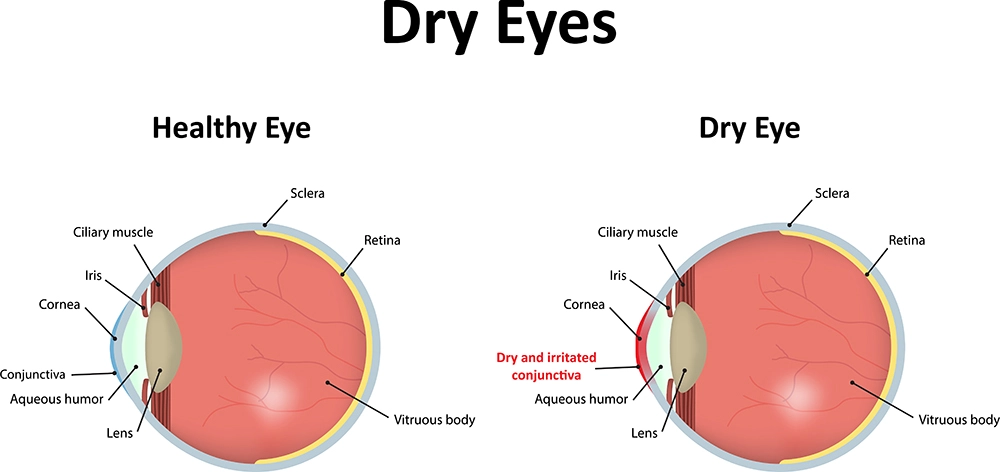
To treat dry eyes effectively, it is essential to understand the tear film, which consists of three vital layers. A deficiency in any layer can lead to ocular surface disease:
- Lipid Layer (Outer): Secreted by the Meibomian Glands in the eyelids. This oily layer prevents tear evaporation.
- Aqueous Layer (Middle): Produced by the Lacrimal Gland. This provides volume, hydration, and nourishment to the cornea.
- Mucin Layer (Inner): Produced by Goblet Cells in the conjunctiva. This helps the tears spread evenly over the eye surface.
When this balance is disrupted, patients typically suffer from one of two main types of the condition:
- Aqueous Deficient Dry Eye: Reduced tear production from the lacrimal gland, often associated with autoimmune conditions like Sjögren’s syndrome.
- Evaporative Dry Eye: The most common form, typically caused by Meibomian Gland Dysfunction (MGD), where blockage in the oil glands leads to rapid tear evaporation rate and instability.
Aqueous Deficient vs Evaporative Dry Eye
| Feature | Aqueous Deficient Dry Eye | Evaporative Dry Eye |
|---|---|---|
| Primary Cause | Reduced tear production from the lacrimal gland | Rapid tear evaporation due to Meibomian Gland Dysfunction (MGD) |
| Tear Film Issue | Insufficient aqueous (water) layer | Unstable lipid (oil) layer |
| Common Associations | Sjögren’s syndrome, autoimmune disease, ageing | Blepharitis, MGD, digital eye strain |
| Tear Break-Up Time (TBUT) | May be normal or reduced | Typically reduced |
| Tear Volume (Schirmer Test) | Low | Usually normal |
| Main Treatment Focus | Increase or conserve tears (e.g., lubricants, punctal plugs) | Improve oil gland function (e.g., warm compress, IPL, thermal pulsation) |
At Eyewise Vision Clinic, identifying the correct subtype allows for precise, individualised treatment rather than a one-size-fits-all approach.
Symptoms of Dry Eyes
If your eyes often feel uncomfortable or irritated, it may be helpful to have them assessed. Common symptoms include:
Gritty or sandy feeling
A sensation like something is stuck in your eye.
Watery eyes
Excess tearing as the eyes try to compensate for dryness.
Blurred or fluctuating vision
Vision that comes and goes, especially when blinking.
Sensitivity to light
Discomfort or strain in bright environments.
Red or irritated eyes
Eyes may appear bloodshot or feel inflamed.
Tired or heavy eyes
Eye fatigue, often worse after screen use or prolonged focus.
Causes and Risk Factors
Dry eye disease can be influenced by several factors, which may affect tear production or tear quality:
Meibomian Gland Dysfunction (MGD): Blockage of the oil glands along the eyelids can lead to blepharitis (eyelid inflammation) and faster tear evaporation.
Digital eye strain: Prolonged screen use reduces how often you blink, affecting the release of oils needed to stabilise the tear film.
Systemic conditions: Conditions such as Rheumatoid Arthritis, Sjögren’s syndrome, and Diabetes Mellitus can affect tear production and eye surface health.
Hormonal changes: Changes such as menopause or reduced androgen levels may decrease natural tear secretion.
Environmental factors: Air conditioning, low humidity, and wind can dry out the eyes and increase tear film instability (hyperosmolarity).
Contact lens wear: Long-term use may affect the eye surface and disrupt the natural tear film.
Medications: Certain medications, including antihistamines and antidepressants, as well as preservatives like BAK in glaucoma eye drops, may contribute to dryness.
Dry Eye Diagnosis
Understanding the cause of your dry eye is an important first step. Dry eye can result from different underlying factors, such as reduced tear production or increased tear evaporation.
A detailed eye assessment allows the doctor to identify these contributing factors and recommend a treatment approach tailored to your condition.
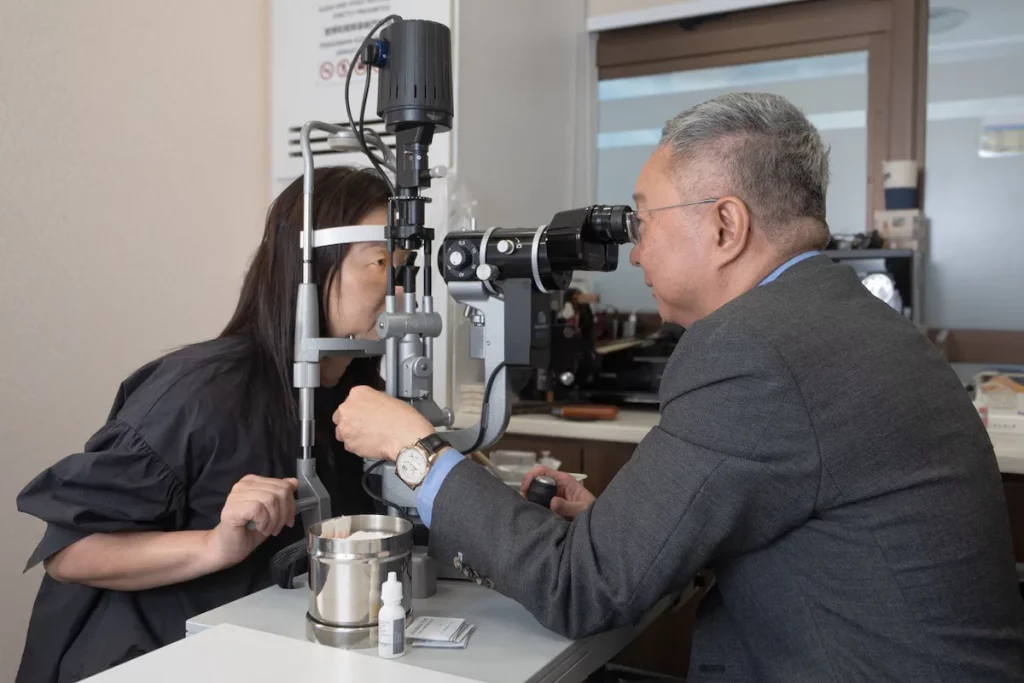
Slit Lamp Examination
A specialised microscope is used to examine the front of your eye in detail. This allows the doctor to assess your tear layer, check for blocked meibomian glands (MGD), and look for signs of blepharitis (eyelid inflammation) or other surface issues.
Fluorescent dye test
A safe dye is placed in the eye to highlight areas of dryness or damage on the eye surface. It also helps measure how quickly your tears evaporate, known as Tear Break-Up Time (TBUT).
Schirmer Test
Small paper strips are placed under the lower eyelids to measure how much tear fluid your eyes produce over a short period.
Tear Film Assessment (Osmolarity)
This test evaluates the quality and stability of your tears, including their salt concentration (osmolarity), which can indicate dryness and irritation.
Dry Eye Treatment Options
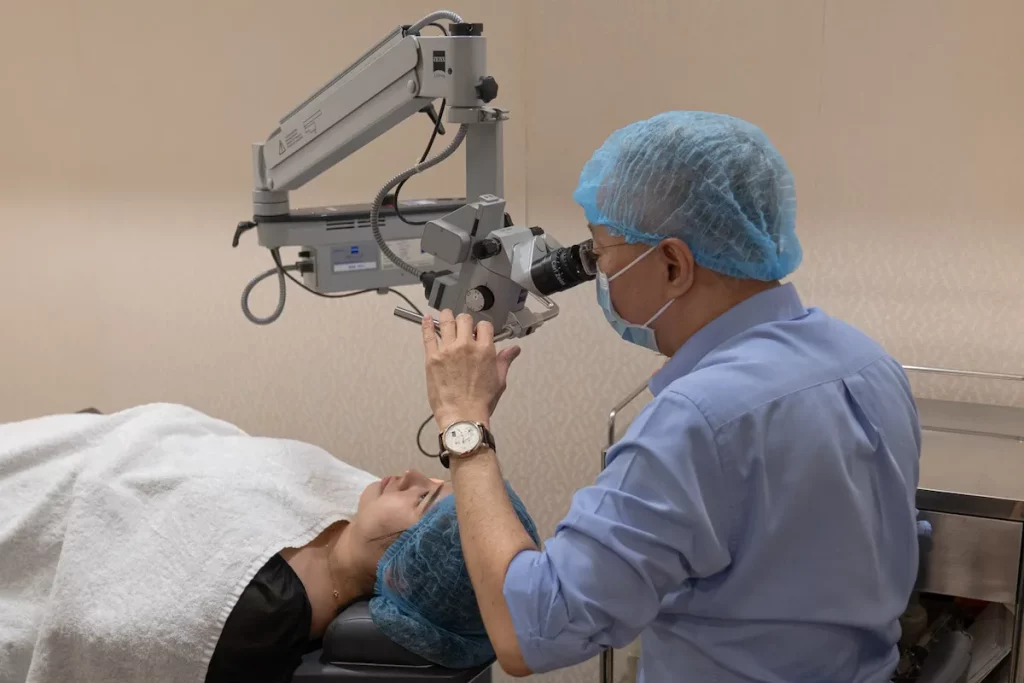
There is no single treatment that works for everyone, as dry eye can have different underlying causes. The aim of treatment is to improve comfort, stabilise the tear film and protect the eye surface.
Based on your symptoms and assessment findings, a combination of treatments may be recommended to suit your condition.
Lubricating Eye Drops and Gels
Artificial tears are often the first step in managing dry eye. These help to supplement your natural tear film and reduce discomfort.
For ongoing use, preservative-free drops are commonly recommended to minimise irritation. Thicker gel drops or ointments may also be used, especially at night, to keep the eyes well-lubricated during sleep.
Anti-Inflammatory Treatment
Inflammation can play a role in dry eye symptoms. Treatment may include short courses of medicated eye drops to calm inflammation, or longer-term options to support natural tear production.
In some cases, oral medications may be used to improve eyelid gland function.
Punctal Plug Procedure (Tear Conservation)
For some patients, it may be helpful to retain tears on the eye surface for longer.
Punctal plugs are small, biocompatible devices placed in the tear drainage openings to slow tear outflow. This helps keep the eyes better lubricated. The procedure is typically performed in the clinic and does not require surgery.
Management of Meibomian Gland Dysfunction (MGD)
When dry eye is related to poor oil production from the eyelids, treatment focuses on improving gland function. This may include warm compresses, eyelid hygiene and in some cases, dietary support such as omega-3 supplements.
Depending on the condition, device-based treatments may also be discussed.
Serum Eye Drops (Advanced Cases)
For more severe or persistent dry eye, autologous serum eye drops may be considered. These are prepared from your own blood and contain natural growth factors that support healing of the eye surface.
Post-LASIK Dry Eye
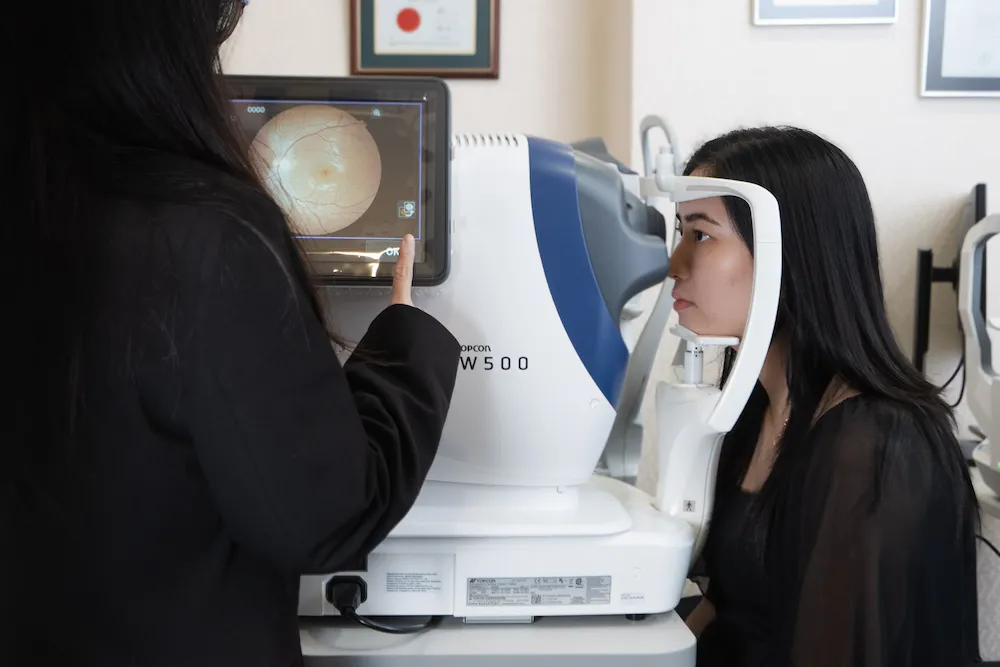
Dry eye is one of the most common side effects following LASIK surgery, as the procedure can temporarily disrupt corneal nerves that regulate tear production.
Post-LASIK dry eye may present as persistent irritation, visual fluctuation or light sensitivity in the months following surgery. Our eye specialist provides targeted post-surgical ocular surface management to support recovery and long-term tear film stability.
Dry Eye Recovery and Prevention
Managing ocular surface disease requires consistency and daily care.
While treatment can help relieve symptoms, simple lifestyle habits also play an important role in maintaining eye comfort and preventing flare-ups.
The following measures may support your recovery and help reduce dryness over time:
- Adhere to Therapy: Regular use of prescribed drops and warm compresses.
- Visual Hygiene: Follow the 20-20-20 rule to reset your blink rate during screen use.
- Environment: Use a humidifier to add moisture to the air and avoid direct fans.
- Hydration: Ensure adequate water intake to support lacrimal gland function.
Why Early Treatment Matters
Dry eye disease is not just a comfort issue, but a progressive condition affecting the ocular surface. If left untreated, ongoing tear film instability and inflammation can lead to:
- Damage to the corneal epithelium
- Increased risk of infection
- Persistent visual fluctuation
- Reduced visual quality, especially during reading or screen use
- Scarring in severe cases
Dry Eye Treatment Costs in Singapore
Dry eye treatment costs in Singapore vary depending on the severity of your condition and the therapies required. A consultation at Eyewise Vision Clinic includes a comprehensive diagnostic evaluation to determine the most appropriate and cost-effective plan for you.
To book an assessment with Dr. Christopher Khng, contact our clinic directly for availability and fees.
Concerned About Dry Eye Symptoms?

We understand that persistent dry, irritated or tired eyes can affect your comfort, focus and daily activities. Whether your symptoms are mild or ongoing, having your eyes assessed can help identify the cause and guide appropriate care.
At EyeWise Vision Clinic, we take a personalised approach to dry eye evaluation. Based on your condition, treatment may include lubricating therapies or procedures such as punctal plugs to help improve tear stability and eye comfort.
If your symptoms have been affecting your day-to-day life, you may wish to arrange a consultation for further assessment.
Frequently asked questions
Patient information
Dry eyes can happen when your eyes do not produce enough tears or when tears evaporate too quickly. This may be due to factors such as ageing, prolonged screen use, air-conditioned environments, certain medical conditions, or changes in hormone levels.
Common symptoms include dryness, irritation, a gritty or sandy feeling, watery eyes, blurred vision that comes and goes, and sensitivity to light. Some people may also experience tired or heavy eyes, especially after screen use.
Yes. When using screens for long periods, people tend to blink less often. This can cause tears to evaporate more quickly, leading to dryness, irritation, and fluctuating vision.
If left untreated, dry eye can lead to ongoing irritation and inflammation of the eye surface. In more severe cases, it may affect vision and increase the risk of infection or damage to the front of the eye.
Some eye conditions can feel similar to dry eye, such as allergies, eyelid inflammation (blepharitis), or contact lens irritation. A proper eye assessment helps determine the exact cause of your symptoms.
Dry eye is diagnosed through a detailed eye examination. This may include checking your tear quality, measuring tear production, and assessing the eye surface to identify the underlying cause.
Treatment depends on the cause and severity. Options may include lubricating eye drops, eyelid care, medications to reduce inflammation, or procedures such as punctal plugs to help retain tears.
Punctal plugs are small, biocompatible devices placed in the tear drainage openings of the eyelids. They help keep tears on the eye surface for longer, which can improve lubrication and reduce dryness.
Punctal plugs are small, biocompatible devices placed in the tear drainage openings of the eyelids. They help keep tears on the eye surface for longer, which can improve lubrication and reduce dryness.
Punctal plug placement is typically a quick in-clinic procedure and is generally well tolerated. The plugs are usually not felt once in place, and some types are temporary or removable if needed.
Simple steps such as taking regular breaks from screens, blinking more often, staying hydrated, and avoiding direct air flow from fans or air-conditioning can help reduce symptoms.
You may wish to seek medical advice if your symptoms are persistent, worsening, or affecting your daily activities such as reading, working, or driving.