
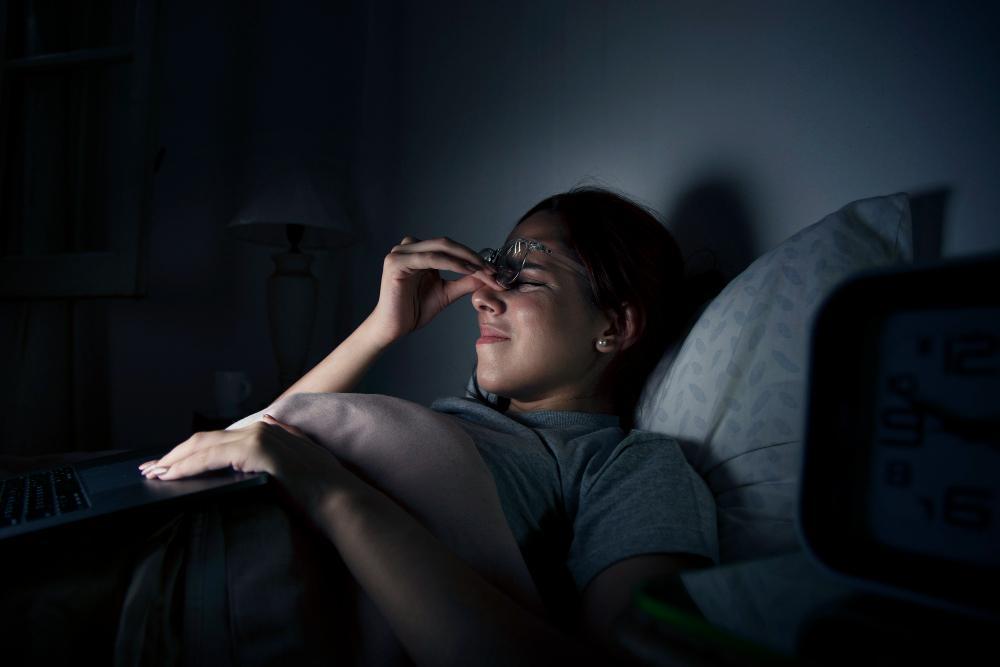
In our fast-paced modern world, getting adequate sleep often feels like a luxury. But understanding the question, “Can sleep affect vision?” reveals that sleep deprivation impacts more than just your energy levels; it influences your eye health and long-term vision.
Just as the body needs time to repair and regenerate, your eyes require consistent, quality sleep to perform crucial recovery functions. This article explains the vital physiological reasons why sleep is essential for the eyes and offers tips for integrating better rest into your daily eye care routine.
Why Your Eyes Need Sleep
While your eyes are closed during sleep, they’re anything but inactive. This period is essential for recovery, repair, and renewal at the cellular and systemic levels. Understanding these processes helps clarify how lack of sleep affects vision.
1. Tear Production and Renewal
During the day, your tear film constantly works to lubricate and protect the eye from irritants. This film can become depleted and unstable. Sleep provides the critical downtime needed to replenish the various layers of the tear film (the aqueous, mucus, and lipid layers). This process stabilises the outer surface of the eye, preparing it for its daily exposure to screens and the environment.
2. Muscle Relaxation and Focus Reset
Aside from tear film, your eyes rely on two main muscle groups: the six extraocular muscles that control eye movement, and the ciliary muscle inside the eye that changes the shape of the lens for focusing. Throughout the day, these muscles work tirelessly to track objects, read, and maintain focus, particularly under the strain of prolonged screen use. Sleep provides the essential rest for these muscles.
3. Systemic Healing and Inflammation Control
Quality sleep also supports the body’s systemic healing mechanisms, reducing potential inflammation and improving blood flow. This systemic rest is vital for the eye’s sensitive tissues, particularly the retina and optic nerve. By reducing inflammatory markers in the bloodstream, good sleep helps maintain the eye’s circulatory system, which helps ward off age-related damage.
Common Eye Issues Caused by Poor Sleep
When the physiological processes of rest are interrupted, the eyes may show the following signs of distress. These common issues highlight the potential link between sleep deprivation and vision problems.
1. Dry Eye Syndrome
Lack of restorative sleep is one potential way to trigger or exacerbate dry eye syndrome. When you’re sleep-deprived, your blink rate may decrease, and the quality of your tears is reduced due to interrupted replenishment. This may result in chronic dryness, irritation, and a burning or gritty sensation. For individuals seeking dry eye treatment, poor sleep can undermine their prescribed regimen.
2. Eye Spasms and Twitching
Involuntary eyelid twitching (myokymia) is a common manifestation of muscle fatigue. The eyelid muscles become overworked and irritable from sleep deprivation, leading to small, involuntary vision disturbances. While usually harmless, these spasms can signal that your body and eye muscles are overworked and desperately need recovery time.
3. Increased Eye Strain and Fatigue
A tired eye muscle may struggle to maintain focus, particularly when switching between near and far tasks. This can lead to difficulties in sustaining focus, known as accommodative fatigue. The effort to compensate may result in significant eye strain, making even simple tasks like reading or working on a computer exhausting.
4. Redness and Light Sensitivity
Chronic fatigue can lead to bloodshot eyes due to the inflammation and dilation of blood vessels on the surface of the eye (conjunctiva). Furthermore, the irritated, compromised tear film can make the eye more vulnerable to environmental light and glare, leading to heightened sensitivity (photophobia).
Sleep Hygiene Tips for Optimal Eye Health
Caring for your eyes isn’t just about scheduling an annual eye check-up; it’s about establishing daily habits that promote recovery. Here are several tips to help support your eye health:
1. Digital Wind-down
The light emitted by screens—particularly blue light—is a significant disruptor of restorative sleep because it suppresses melatonin production, the hormone crucial for regulating your sleep cycle. This suppression can affect your circadian rhythm, potentially reducing the quality of your rest.
To counteract this, it’s highly advisable to stop using all electronic screens (phones, tablets, and computers) at least one hour before bed. If you must use a screen in the evening, activate blue light filters or Night mode on your devices to reduce exposure to blue light.
2. Optimise Your Sleep Environment
The conditions in your bedroom can impact your tear film stability throughout the night. To safeguard your eyes while you sleep, it’s important to control temperature and humidity. If necessary, use a humidifier to keep the air moist, which helps preserve the protective tear film.
Additionally, you can use blackout curtains or a sleep mask to ensure your room is completely dark. This darkness is essential as it allows your pupils to rest, maximising recovery and minimising any unnecessary light exposure to the retina.
3. Remove Lenses
This is a critical safety rule. Always remove contact lenses before sleeping, unless advised otherwise. Sleeping in contact lenses may reduce the oxygen supply to the cornea, potentially increasing the risk of serious complications like corneal ulcers and infections. This step is vital for protecting the integrity of the front of your eye.
4. Managing Systemic Stress
Since stress hormones can impact inflammation and blood flow to the optic nerve, incorporating relaxation techniques (such as deep breathing or meditation) into your nightly routine can improve the quality of your restorative sleep, offering a systemic boost to your vision.

The Long-term Impact of Chronic Sleep Deprivation
While a single night of poor sleep may cause temporary issues such as redness or twitching, chronic sleep deprivation may lead to vision problems that can have more severe, long-term consequences. Chronic systemic inflammation and elevated stress hormones can also exacerbate underlying conditions.
For instance, chronic poor sleep can lead to persistent dry eye syndrome, which may require more intensive treatment. It can also affect conditions like glaucoma, as stress and fluid fluctuations can sometimes contribute to elevated eye pressure.
Furthermore, chronic fatigue makes managing existing vision problems, such as the need for cataract surgery, more challenging for both the patient and the eye doctor. Proper, consistent rest is therefore a fundamental pillar of a preventive eye care routine.
Take an Active Role in Your Vision
Viewing sleep as a necessary component of your eye care routine, rather than a luxury, is the first step towards long-term eye health. By protecting your eyes during the crucial hours of rest, you’re taking steps to prevent unnecessary strain, dryness, and the exacerbation of underlying conditions.
If you find that your eye problems, such as persistent redness, twitching, or blurred vision, do not improve despite practising good sleep hygiene, it may be time to consult an eye specialist. They can help rule out severe conditions and provide personalised advice or recommend specific treatments, such as dry eye treatment, to help ensure a lifetime of optimal vision.