

If you’re noticing blurry vision, increased glare from lights, difficulty driving at night, or frequent changes in your glasses prescription, you may be wondering when to get cataract surgery.
While cataracts often develop gradually, early assessment can help determine whether your symptoms are caused by cataracts or another eye condition. Knowing when to seek specialist advice can help you protect your vision and explore the most suitable treatment options before your daily activities become significantly affected.
Overview: You should see a cataract specialist (ophthalmologist) if you experience blurry or foggy vision, faded colours, frequent eyeglass prescription changes, or bothersome glare and halos, especially when driving at night. You should seek an evaluation when these symptoms make daily tasks like reading, cooking, or working difficult.
Key Signs It May Be Time for a Cataract Evaluation
In the early stages, cataracts may cause only mild symptoms that can sometimes be managed with updated glasses, brighter lighting or anti-glare measures.
However, cataracts typically progress over time. If symptoms begin affecting your daily activities or quality of life, further assessment may be recommended. Common signs include:
Difficulty reading
Patients often report needing brighter light for reading, holding books or screens farther away, or experiencing eye strain during prolonged reading. If these symptoms persist despite updated prescription glasses, cataracts may be affecting visual clarity.
Frequent prescription changes with limited improvement
Frequent prescription changes can be a sign of cataract progression, particularly with nuclear cataracts, which often cause increasing nearsightedness. While some people may notice temporarily improved reading vision, their overall vision typically continues to decline despite updated glasses.
Glare or halos around lights
Glare, halos, or starbursts around headlights and street lights can make night driving more difficult and may indicate progressing cataracts.
Blurry or cloudy vision
Cataracts can cause vision to become increasingly blurred, hazy or cloudy over time, making everyday tasks more challenging
Difficulty with everyday activities
Activities such as reading, driving, recognising faces, using digital devices or navigating stairs may become more difficult as cataracts progress.
Understanding the Different Types of Cataracts
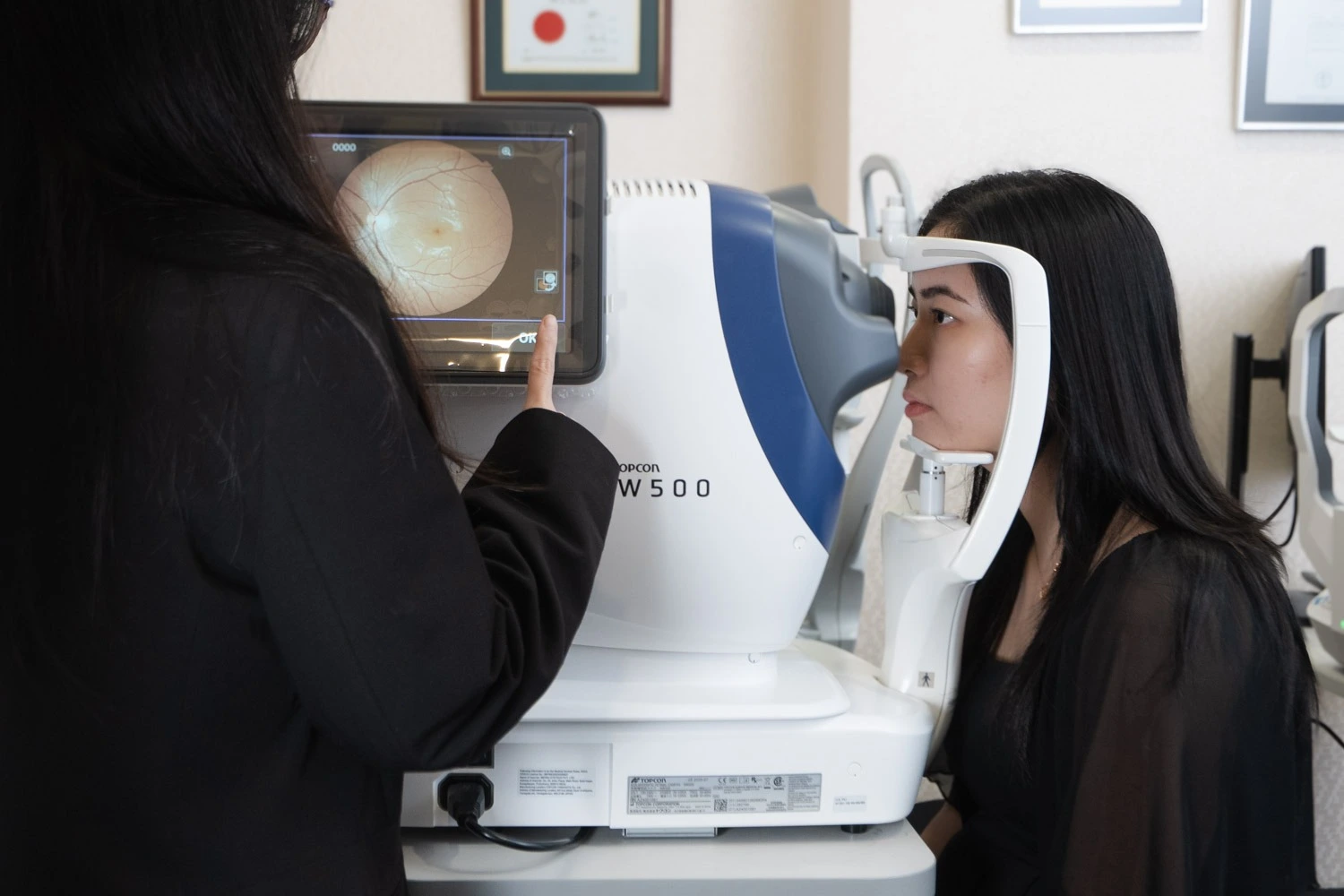
Identifying the type of cataract can help explain why symptoms vary from person to person. Different cataracts affect vision in different ways, and understanding the type present can help guide treatment recommendations.
Age-related cataracts (nuclear cataracts)
The most common type of cataract, age-related cataracts develop gradually as part of the natural ageing process. They often cause blurred vision, reduced clarity and increasing nearsightedness over time.
Cortical cataracts
Cortical cataracts develop around the outer edge of the lens and may cause glare, halos, light sensitivity, and difficulty seeing clearly in low-light conditions.
Posterior Subcapsular Cataracts
These cataracts form at the back of the lens and can affect reading vision, bright-light vision, and night driving. Symptoms often develop more quickly than other cataract types.
Traumatic cataracts
Traumatic cataracts can develop after an eye injury. Depending on the severity of the injury, vision changes may appear immediately or gradually over time.
Congenital cataracts
Congenital cataracts are present at birth or develop during childhood. While uncommon, they can affect visual development if left untreated
Secondary cataracts
Secondary cataracts, also known as posterior capsule opacification (PCO), can occur after cataract surgery when the lens capsule becomes cloudy. If your vision becomes blurry, hazy, or foggy again after surgery, PCO may be the cause.
Fortunately, PCO can usually be treated with a simple YAG laser capsulotomy procedure.
Who is at Risk of Developing Cataracts?
Several factors can contribute to increasing your risk of developing cataracts:
- Age – Those in their 40s and above
- Diabetics
- Smokers
- Individuals with a family history of cataracts
- People who are constantly exposed to UV rays
- Those who have had a serious eye injury
If you have any of these risk factors present and are concerned about developing cataracts, a cataract specialist will be able to advise you on proactive steps to take as well as symptoms to look out for.
5 Benefits of Early Cataract Evaluation and Treatment
Cataracts often develop gradually, making it easy to overlook subtle changes in vision. Early evaluation can help preserve vision, improve quality of life, and reduce the risk of complications associated with advanced cataracts.
Improved Visual Clarity and Quality of Life
Addressing cataracts early can help improve visual clarity, restoring your ability to perform everyday activities such as reading, driving and working.
Reducing the Risk of Vision Loss and Complications
Left untreated, cataracts can continue to worsen and significantly impair vision. Early assessment and appropriate treatment can help preserve vision and reduce the risk of complications associated with advanced cataracts.
Reduced Risk of Falls and Injuries
Clearer vision can make it easier to navigate stairs, uneven surfaces and everyday environments safely, helping reduce the risk of falls and accidents.
Maintaining Independence
Better vision can help you continue performing daily activities with greater confidence, allowing you to maintain your independence and active lifestyle.
Potential Long-Term Cost Savings
Waiting too long may allow cataracts to worsen, potentially leading to more complex treatment and a greater impact on vision. Advanced cataracts may increase the risk of complications such as lens-induced glaucoma, while poor vision can contribute to falls, injuries, and reduced independence.
Addressing cataracts early may also help avoid repeated prescription changes that no longer provide meaningful improvements in vision.
Taking the Next Step
If you suspect that your symptoms may be caused by cataracts, a comprehensive eye assessment can help confirm the diagnosis and determine the most appropriate next steps.
If cataract surgery is recommended, understanding the cost of cataract surgery, available lens options, and what to expect can help you make a more informed decision. For personalised advice, consult our eye specialist, who can assess your vision and recommend the most suitable approach for your needs.
The specialist leading your care

Dr Christopher Khng
Medical Director, Senior Consultant Ophthalmologist & Cataract Specialist
MBBS, M.Med(Ophth), FRCS(Edin), AMS(Ophth 2003)
Dr Christopher Khng specialises in Complex Cataract and Anterior Segment Reconstruction Surgery, in particular, Iris Reconstruction and surgery for Aniridia. His areas of expertise also include Complex Lens surgery, New Lens and Phacoemulsification technologies, Refractive surgery, Phakic IOLs (the Implantable Collamer Lens, ICL), and small-incision, topical anaesthesia phacoemulsification cataract surgery.
Dr Khng is a member of the Singapore Medical Association (SMA), a Fellow of the American Academy of Ophthalmology, the American Society of Cataract and Refractive Surgery (ASCRS), and the European Society of Cataract and Refractive Surgery (ECSRS). He is registered with the Singapore Medical Council (SMC) in Singapore and with the General Medical Council (GMC) for practice in the United Kingdom.