
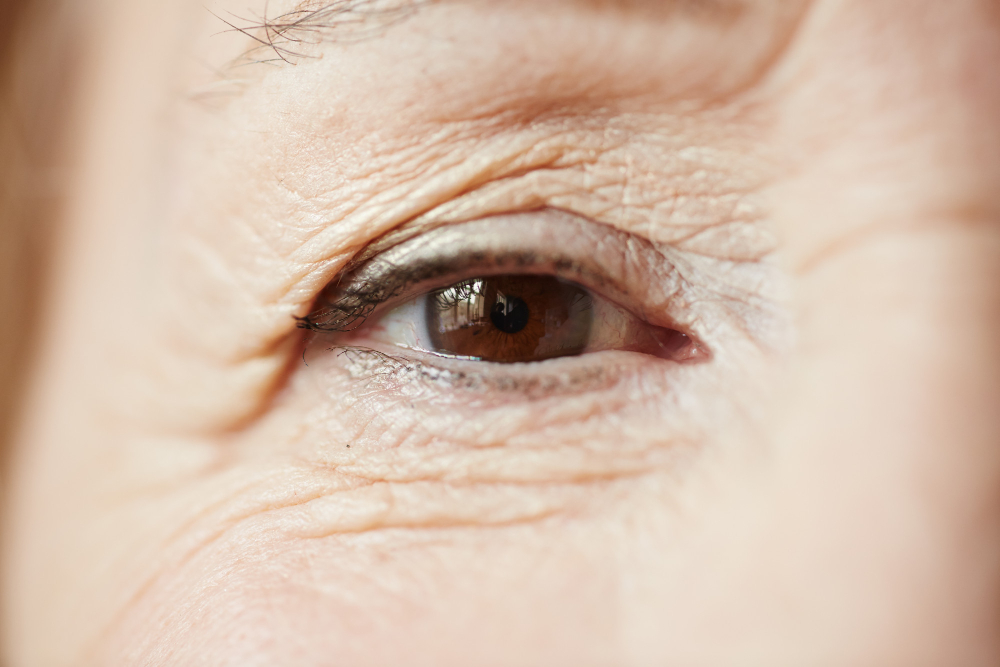
Cataracts, a leading cause of vision impairment globally, affect millions of people worldwide. In Singapore, as in many other countries with ageing populations, cataracts are a prevalent concern, significantly impacting quality of life.
While the term “cataract” refers to the clouding of the eye’s natural lens, it’s important to understand that cataracts are not a singular condition. They can manifest in various forms, each with unique characteristics, location within the lens, and impact on vision.
This article aims to provide a comprehensive guide to the different types of cataracts, helping you to better understand this condition, its potential effects on your eyesight, and the importance of timely intervention.
Nuclear Cataracts
Nuclear cataracts are among the most common types of cataracts, developing in the nucleus, or central zone, of the lens. These cataracts often progress slowly, gradually hardening and yellowing the lens core. This hardening and yellowing can be attributed to the compression of lens fibres and the accumulation of chromophores (coloured molecules) within the lens nucleus over time.
As nuclear cataracts develop, they can cause a gradual blurring of vision, making it difficult to see clearly at a distance. Interestingly, in the early stages, a nuclear cataract can sometimes temporarily improve near vision, a phenomenon known as “second sight.” This may occur due to the increased refractive index in the central lens, which can act like a temporary reading glass.
However, this improvement can be fleeting, and as the cataract progresses, both near and distant vision will eventually decline.
Typical symptoms of a nuclear cataract include:
- Gradual blurring or dimming of vision
- Difficulty seeing distant objects
- Increased glare, especially in bright light
- Changes in refractive error, often leading to increased nearsightedness
- A shift in colour perception, sometimes appearing more yellow or brown
Treatment Considerations
In the early stages, vision correction with glasses or contact lenses may be sufficient to help improve visual acuity. However, as the cataract progresses and significantly impairs vision, cataract surgery may be suggested as the primary treatment option. This surgery may involve the removal of the clouded lens and replacing it with a clear artificial lens known as an intraocular lens (IOL).
Cortical Cataracts
Cortical cataracts affect the cortex, the outer layer of the lens. These cataracts may develop in a distinctive “spoke-like” pattern, with white, wedge-shaped opacities extending from the periphery towards the centre. These opacities may occur due to changes in the water content of the lens fibres, causing them to swell and become opaque, disrupting the normal lens architecture.
Cortical cataracts can scatter light as it passes through the lens, leading to significant glare and light sensitivity. This scattering is particularly problematic when light enters the eye from the side, such as from headlights at night, creating distracting halos and starbursts. The fluctuating nature of the opacities within the lens cortex can also cause vision to vary throughout the day.
Typical symptoms of cortical cataracts include:
- Glare and halos around lights
- Light sensitivity
- Blurred or distorted vision
- Difficulty seeing clearly at night
- Problems with depth perception
Treatment Considerations
Similar to nuclear cataracts, vision correction with glasses may help in the early stages. However, cataract surgery is generally recommended as the definitive treatment when symptoms become bothersome.
Subcapsular Cataracts
Subcapsular cataracts develop at the back of the lens capsule, the membrane that surrounds the lens. These cataracts, particularly posterior subcapsular cataracts, can progress relatively rapidly and potentially impact vision, especially near vision. They may be due to a disruption of the cells at the back of the lens capsule, which can lead to rapid clouding in this area.
Subcapsular cataracts are often associated with certain medical conditions, such as diabetes or long-term steroid use. They can cause significant glare and halos, particularly at night, making reading and driving challenging.
Typical symptoms of subcapsular cataracts include:
- Significant glare, especially at night
- Halos around lights
- Difficulty reading
- Reduced vision in bright light
- A “grainy” or “filmy” sensation in vision
Treatment Considerations
Due to their rapid progression and significant impact on near vision, cataract surgery is frequently recommended for posterior subcapsular cataracts, even in earlier stages, to improve visual function and quality of life.
Congenital Cataracts
Congenital cataracts are a distinct type of cataract, as they are present at birth or develop within the first few months of life. Unlike age-related cataracts, which are primarily caused by the ageing process, congenital cataracts have various underlying causes, and their impact on a child’s visual development can be a major concern.
Causes of congenital cataracts include:
- Genetic factors: Inherited genetic mutations can disrupt the normal development of the lens.
- Infections during pregnancy: Certain infections during pregnancy, such as rubella, measles, or chickenpox, can increase the risk of congenital cataracts.
- Metabolic disorders: Metabolic disorders like galactosemia can also contribute to congenital cataract development.
- Eye development problems: In some cases, congenital cataracts may occur due to abnormal eye development.
- Trauma: Eye injuries during birth can also lead to congenital cataracts.
Early detection of congenital cataracts is recommended for a child’s visual development. If left untreated, they can lead to amblyopia (lazy eye), strabismus (crossed eyes), nystagmus (involuntary eye movements), and other vision problems.
Therefore, newborns and infants are typically screened for congenital cataracts as part of routine health check-ups. This screening often involves a red reflex test, where a light is shone into the baby’s eye to check for a normal red reflection from the retina. An abnormal red reflex may indicate the presence of a cataract.
It’s also important to note that congenital cataracts differ from age-related cataracts in their causes, timing of onset, and impact on visual development, requiring a different approach to diagnosis and treatment.
Treatment Considerations
Treatment for congenital cataracts depends on the size, density, and location of the cataract, as well as the child’s age and overall health. In some cases, if the cataract is small and doesn’t significantly impair vision, it may be monitored. However, if the cataract is visually significant, cataract surgery is often recommended, even in very young infants.
Recognising Symptoms and Seeking Professional Evaluation
While each type of cataract may present some unique symptoms, several common signs can indicate the presence of a cataract:
- Blurred or hazy vision
- Increased glare, especially at night
- Reduced contrast sensitivity
- Difficulty seeing in low-light conditions
- Colours appearing faded or yellowish
- Frequent changes in your glasses prescription
- Double vision
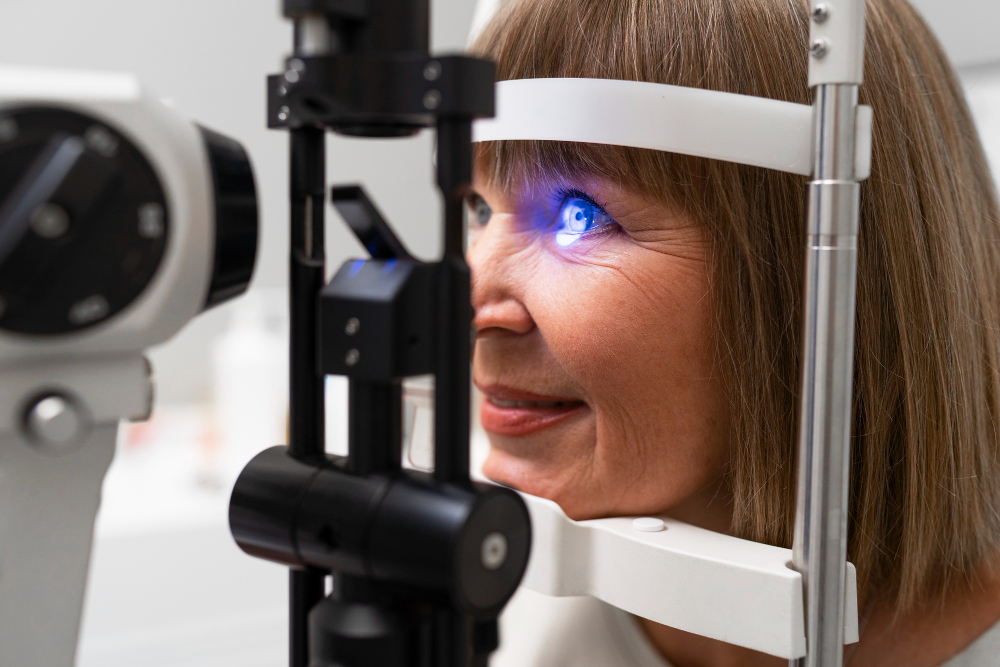
If you experience any of these symptoms, it’s essential to schedule an eye check-up at an eye clinic. A comprehensive eye exam, including a visual acuity test, slit-lamp examination, and dilated eye exam, can help determine the presence, type, and severity of cataracts.
Early detection is equally important in managing cataracts. While cataracts may progress slowly, timely intervention can help preserve your vision and maintain your quality of life. A cataract specialist can recommend the most appropriate treatment options based on your individual needs and the progression of your cataracts. This may involve cataract eye surgery, a procedure to help restore clear vision by replacing the clouded lens with a clear intraocular lens (IOL).
Remember, proactive eye care is recommended for a lifetime of healthy vision.
Frequently Asked Questions
- What are the different types of cataracts?
There are several types of cataracts, each affecting the lens in a slightly different way. The most common ones include nuclear cataracts (center of the lens), cortical cataracts (edges of the lens), posterior subcapsular cataracts (back of the lens), and congenital cataracts (present at birth). Each type can cause unique vision symptoms and may require tailored treatment.
- How can I tell which type of cataract I have?
Only an eye specialist can accurately diagnose the type of cataract through a detailed eye examination. However, symptoms such as yellowed vision, glare sensitivity, or blurred central or peripheral vision may suggest a particular type. For example, nuclear cataracts often make distant vision blurry, while cortical cataracts can cause glare or streaks around lights.
- Are certain cataract types more common with age?
Yes — age-related cataracts are by far the most common. Over time, proteins in the eye’s lens naturally break down, leading to nuclear sclerosis, a typical form of cataract seen in older adults. Other types, like posterior subcapsular cataracts, may develop faster and are sometimes linked to diabetes or steroid use.
- Can different types of cataracts be treated differently?
While all cataracts eventually require surgical removal if they significantly affect vision, the surgery approach and timing can vary depending on the type and severity. For instance, posterior subcapsular cataracts often progress quickly and may need earlier intervention, while nuclear cataracts can develop slowly over years.
- Can lifestyle or prevention differ by cataract type?
In general, maintaining eye health can help slow the development of all types of cataracts. Wearing UV-protective sunglasses, managing health conditions like diabetes, eating antioxidant-rich foods, and avoiding smoking are key. While you can’t always prevent cataracts, these habits can delay their onset or reduce severity across different types.