

Cataract eye surgery is a procedure that involves replacing a cloudy lens with a clear, artificial intraocular lens (IOL). However, the selection and implantation of the lens play a crucial part in the process. This permanent lens, which replaces the eye’s natural lens, may affect an individual’s post-surgical vision. As such, the choice of an intraocular lens is a highly personal one. Let’s discover the different types of intraocular lenses available to help you understand your options.
The Role of an Intraocular Lens (IOL)
An intraocular lens (IOL) is a small, clear lens, typically made of a flexible material, that is surgically placed inside the eye to replace the clouded natural lens during cataract removal. Before the procedure, the surgeon measures your eye to determine the recommended power of the IOL. Its primary function is to help improve vision by focusing light onto the retina, enabling you to see clearly again.
With multiple advances in research and development, IOLs may offer more than just a replacement lens. They may help correct vision at various distances and even address pre-existing refractive errors like astigmatism. This means that a well-chosen lens implant can potentially reduce your dependence on glasses after an eye surgery.
Types of IOL Lenses
Understanding the different intraocular lenses available is the first step towards making an informed decision. These lenses can be categorised based on their potential ability to correct vision at various distances.
1. Monofocal IOLs
Monofocal IOLs are generally recommended for cataract surgeries. As their name suggests, they provide clear vision at a single focal distance, chosen by the individual and their surgeon before the procedure. Most people may opt for a monofocal IOL lens, which provides excellent distance vision, making it potentially ideal for activities such as driving, watching television, or enjoying a scenic landscape.
The primary trade-off with a monofocal intraocular lens is that you may still need to wear glasses for other distances. For example, if you choose clear distance vision, you will need reading glasses for near tasks like reading a book or a menu. Likewise, you might need glasses for intermediate vision, such as when using a computer. Monofocal IOLs are a reliable and time-tested solution that may provide visual clarity at a distance.
2. Toric IOLs
Astigmatism is a common refractive error caused by an irregularly shaped cornea or lens, which prevents light from focusing on a single point on the retina. A Toric IOL is an intraocular lens implant designed to address this astigmatism at the same time as removing the cataract.
Toric IOLs have a design that may compensate for the irregular shape of the cornea. By opting for a Toric intraocular lens, individuals with astigmatism may achieve clearer, more focused vision without relying on glasses to address their astigmatism post-surgery. These lenses may be recommended for individuals who wish to reduce their dependence on spectacles for distance vision. Toric correction can be combined with monofocal, multifocal and EDOF lens implants for a complete vision solution.
3. Presbyopia-Correcting Extended Depth of Field (EDOF) IOLs
EDOF IOLs are intraocular lenses designed to provide clear vision over a continuous range of distances. Unlike traditional multifocal IOLs that create multiple distinct focal points, EDOF lenses aim to create a single, elongated focal point. This may result in a smooth transition from distance to intermediate and even functional near vision.
These lenses are generally recommended for individuals seeking to reduce their dependence on reading glasses. The key benefits of a Presbyopia-Correcting EDOF IOL implant may include:
- Better Vision: The vision provided by EDOF lenses may feel more natural, without the “stepped” sensation that some individuals may experience with traditional multifocal lenses. This allows for a better visual experience across a range of daily activities.
- Improved Night Vision: The design of EDOF lenses may result in a better night-time vision profile, with an almost negligible tendency to generate halos and starbursts around light sources. This may be a significant advantage, particularly for individuals who drive at night.
- Reduced Dependence on Reading Glasses: EDOF lenses can provide a strong level of near reading performance without glasses, making tasks like reading a phone, a menu, or a newspaper much easier.
Examples of these lenses include the Alcon Clareon Vivity and the Johnson & Johnson PureSee.
4. Traditional Multifocal IOLs
Traditional Multifocal IOLs are designed to correct vision at multiple, distinct focal points simultaneously (e.g., for near and far distances). The surface of these intraocular lens implants typically contains a series of concentric rings that divide light, sending some light rays to the far focus and others to the near focus.
While these lenses may help reduce an individual’s dependence on glasses for most daily activities, they come with certain trade-offs. The “stepped” vision can take some time for the brain to adapt to, and the division of light can sometimes lead to more noticeable night-time glare and halos around light sources compared to EDOF lenses.
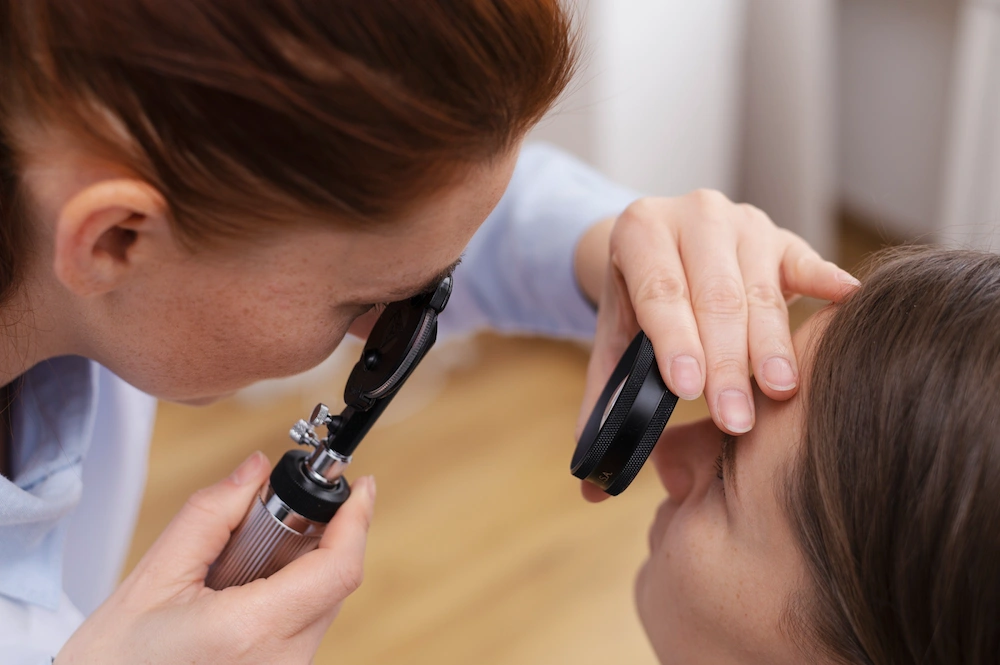
Choosing the Right IOL Lens for You
Choosing the right intraocular lens is a deeply personal process that goes beyond correcting your vision. It requires a thorough assessment of your lifestyle, your profession, your hobbies, and your specific visual needs. This is a crucial conversation to have with your cataract surgeon during your pre-operative consultation.
Here are some factors that may influence the choice of an intraocular lens:
- Lifestyle and Hobbies: An avid golfer who prioritises crisp distance vision will have different needs than someone who enjoys painting or detailed close-up work. Your lifestyle and hobbies play a significant role in determining the right IOL lens.
- Profession: Your job can also influence your choice. For a truck driver who needs excellent distance vision, a monofocal or EDOF lens might be a better fit. For a professional who spends most of their day at a computer, an intraocular lens implant that provides strong intermediate vision is often recommended.
- Specific Vision Needs: Are you willing to wear reading glasses? Or is your goal to be as free of spectacles as possible? Your personal preferences are paramount in this decision.
- Pre-existing Eye Conditions: Conditions such as glaucoma, diabetic retinopathy, or other retinal issues can impact the suitability of certain IOLs. A comprehensive pre-operative evaluation by a professional eye surgeon is advisable to help determine which IOL implant will provide an optimal long-term outcome.
Ultimately, the choice is a collaborative effort between you and your eye surgeon. Through precise measurements and a detailed consultation, the goal is to match the optimal cataract lens to your eye anatomy and lifestyle.
Your Vision, Your Choice
Choosing the right intraocular lens is crucial for your cataract surgery. It may impact your visual freedom and quality of life. With a range of options from monofocal to EDOF lenses, you may enjoy a better range of vision and reduce your dependence on glasses.
Consult a professional eye surgeon today to understand all your options and determine which IOL implant will help you achieve your desired vision.