
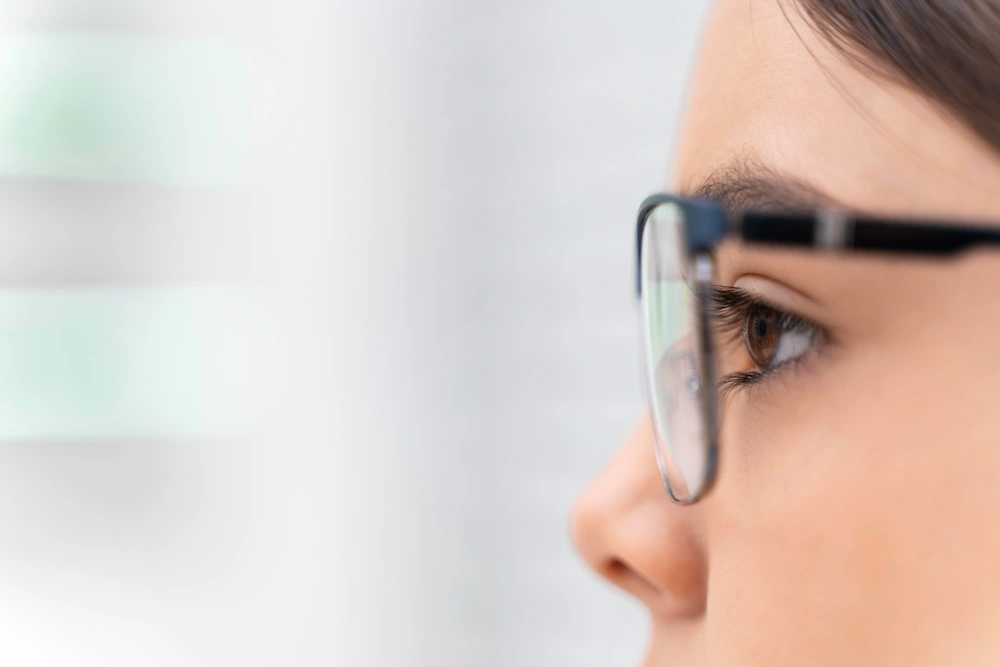
We tend to think of our eye health as something separate from the rest of our body, possibly addressed only by ophthalmologists or opticians. However, improving your eye health and protecting your vision is linked to the lifestyle choices you make every day.
Adopting habits like regular exercise and maintaining a healthy diet may result in a profound and positive impact on your eyesight. This article explores the relationship between a healthy lifestyle and eye health, offering practical advice on how to take care of your eyes from the inside out.
The Connection Between Exercise and Eye Health
Regular physical activity is widely known for its helpful benefits to the heart and waistline, but its role in supporting your eye health is equally significant. A healthy circulatory system is helpful for optimal vision, and exercise is one of the most effective ways to maintain it.
When you exercise, your heart rate increases, and blood circulation improves throughout your body, including to the blood vessels in your eyes. This enhanced blood flow ensures that the retina and optic nerve, the two most critical structures for capturing and transmitting visual information, receive a consistent and rich supply of oxygen and essential nutrients.
Exercise is also helpful for managing systemic health conditions that can have a direct impact on your eyes. Regular physical activity may help regulate blood sugar levels, a key factor in managing diabetes. This is because uncontrolled diabetes can lead to diabetic retinopathy, a condition that may damage the blood vessels in the retina and is a leading cause of vision loss.
Similarly, exercise may help lower blood pressure, thereby reducing the risk of conditions such as hypertensive retinopathy. By maintaining a healthy body through exercise, you’re taking a step in protecting your eyesight.
Lifestyle Choices That Support Your Eyes
Other than exercising, several other lifestyle choices may help support your eye care routine. These habits are simple to adopt but may yield benefits in the long run.
Eat a Balanced Diet
Eating a balanced diet, rich in specific nutrients, is one of the most helpful ways to support eye health. Certain vitamins, minerals, and antioxidants may help protect the eyes from damage and improve their function. For instance:
- Vitamins C and E: These antioxidants help protect the cells in your eyes from oxidative stress, a process that can contribute to the development of cataracts and age-related macular degeneration (AMD). You can find Vitamin C in citrus fruits, bell peppers, and strawberries, while Vitamin E is found in nuts, seeds, and leafy green vegetables like spinach and kale.
- Omega-3 fatty acids: Omega-3s are crucial for the structural integrity of the retina. They also have anti-inflammatory properties that can be helpful for individuals with dry eyes. Oily fish such as salmon, mackerel, and tuna are excellent sources.
- Lutein and zeaxanthin: These two carotenoids accumulate in the macula, the part of the retina responsible for sharp, central vision. They act as a natural blue light filter and antioxidants, protecting the macula from light-induced damage. You can find them in leafy greens like kale and spinach, as well as in corn and egg yolks.
- Zinc: This mineral is essential for transporting Vitamin A from the liver to the retina, where it’s used to produce melanin, a protective pigment. Good sources of zinc include lean red meat, poultry, and beans.
By focusing on a nutrient-rich diet, you are giving your eyes the materials they need to function optimally, while reducing your risk of age-related vision problems.
Protect Your Eyes from the Sun
You probably know that prolonged sun exposure can damage your skin, but its effects on your eye health can be equally harmful. The sun’s ultraviolet (UV) radiation, specifically UVA and UVB rays, can possibly damage the cornea and lens, leading to conditions like cataracts and pterygium (a growth on the surface of the eye). Here’s how you can protect your eyes from UV light:
- Wear sunglasses: Choose sunglasses that block 99-100% of both UVA and UVB rays. Look for labels that say “UV400” or “100% UV Protection.” It’s also a good idea to choose larger, wrap-around styles that minimise light entering from the sides.
- Wear a hat: A wide-brimmed hat provides an extra layer of protection, especially during peak sunlight hours.
- Year-round protection: Don’t just wear sunglasses on sunny days. UV rays can penetrate clouds, so it’s advisable to wear them year-round, even on overcast days.
Quit Smoking
Of all the lifestyle choices that impact your eye health, smoking may be one of the most detrimental. The toxins in cigarette smoke can damage your eye’s blood vessels and introduce a significant amount of oxidative stress, accelerating the ageing process and increasing your risk of severe eye diseases. It’s also a major risk factor for:
- Cataracts: Smokers are more likely to develop cataracts at a younger age than non-smokers.
- Age-Related Macular Degeneration (AMD): Smoking may increase your risk of developing AMD, a leading cause of vision loss in older adults.
- Optic Nerve Damage: Smoking reduces blood flow to the optic nerve, which may lead to optic neuropathy and vision loss.
Quitting smoking is possibly one of the most helpful things you can do to protect your eyes and improve your overall eye health.
Proactive Eye Care for a Lifetime
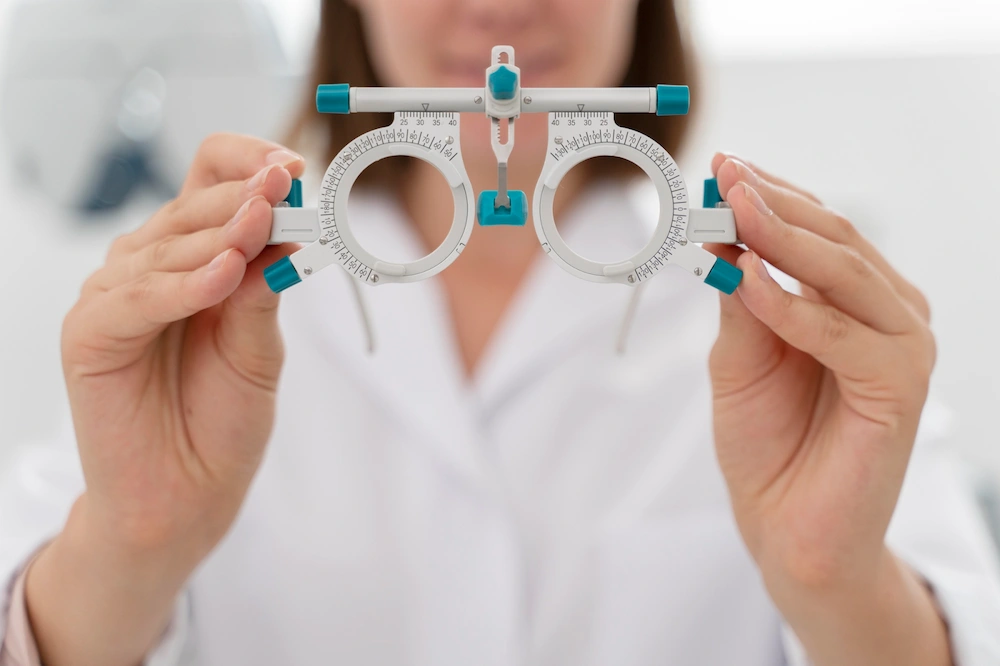
While a healthy lifestyle can support your eye health, it should complement professional eye care. After all, getting advice on how to improve eyesight through diet and exercise is best paired with a proactive approach to medical check-ups.
Going for an eye examination is part of a comprehensive eye care routine. Many age-related conditions, such as glaucoma and early-stage cataracts, often have no noticeable symptoms. Only a thorough eye exam can identify these “silent” diseases before they cause irreversible damage.
During an exam at an eye clinic, an ophthalmologist may assess your visual acuity, check for signs of disease, and recommend screenings based on your risk factors. This is especially recommended for individuals over 40, who may start to experience changes like presbyopia. An ophthalmologist can provide guidance on presbyopia correction and other age-related concerns.
Similarly, for patients with diabetes, regular diabetic eye screening is advisable to help monitor for early signs of diabetic retinopathy.
Take a Holistic Approach to Improve Your Vision
Your eyes are integral to your health, and caring for them requires a holistic approach. The choices you make regarding your diet, exercise, and daily habits may have a direct and lasting impact on your vision. By adopting a healthy lifestyle, you’re not only taking steps to improve eyesight and maintain your physical well-being, but you’re also protecting your sense of sight.
Start by making small, positive changes today. These simple steps, when combined with regular professional check-ups, can help ensure your eyes remain healthy and your vision sharp for years to come.